

By Tom Vizel
On October 27, Israeli citizens will go to the polls to elect the next government, including nearly 600,000 young people voting for the first time. This is a generation that has come of age through successive election campaigns, a global pandemic, a deep social crisis, the October 7 massacre in Israel, and years of war. It knows all too well the cost of failed diplomacy and regional instability. The question is what regional future we are offering this generation, and whether we will give it a meaningful role in shaping that future.
Israel’s election campaign will rightly focus on security, the economy, accountability for the events of October 7, and the country’s relations with the world. But it must offer the younger generation more than a debate over who will manage the next crisis.
This week marked six years since the signing of the Abraham Accords, which changed the landscape of relations in the Middle East and opened new opportunities for cooperation between Israel and countries across the region. The accords have survived one of the most difficult periods the region has known. Israel’s relations with the United Arab Emirates and Bahrain have endured, and in recent days Israel and Morocco have even agreed to upgrade diplomatic relations, open embassies, appoint ambassadors, and expand cooperation in the economy, tourism, technology, agriculture, water, and energy.
This is an important development after years of war, polarization, and mistrust. It demonstrates that even when the regional situation appears hopeless, channels of communication can be maintained and expanded. Yet six years after the accords were signed, it is clear that relations between governments are not enough. Diplomatic agreements can open doors, but keeping them open over time also requires connections between young people, educators, civil society organizations, and communities.
Through my work with WeAreMENA, a regional network operating within the Israeli youth movement NOAL, I encounter a regional reality more complex than the one reflected in the headlines. The movement, which brings together Jews, Arabs, and Druze in Israel, shows that young people from different communities can sustain joint action over time, even when the reality around them is tense and difficult.
A new regional study by WeAreMENA, mapping 125 organizations and initiatives across 26 countries, highlights this generation’s enormous potential. The Middle East and North Africa are home to approximately 165 million young people aged 15 to 29. Many face unemployment, skills gaps, difficulties achieving financial independence, and a sense that political institutions do not listen to them. Yet this is also a connected, entrepreneurial, and adaptable generation, capable of building professional and civic networks that cross borders.
One of the study’s most important findings is that young people and youth organizations are not waiting for every political dispute to be resolved. They are choosing to work together on practical challenges: education and employment, innovation, water, climate, entrepreneurship, and technology. Working together does not eliminate disagreements, but it allows trust to develop through action, personal connections, and shared responsibility.
The climate crisis illustrates this clearly. Drought, water scarcity, food security, and pollution do not stop at border crossings. Young people in Israel, Morocco, the United Arab Emirates, Jordan, and other countries in the region also share challenges relating to employment, education, and technology. Cooperation in these areas is more than a symbolic gesture; it serves the tangible interests of the countries and societies involved.
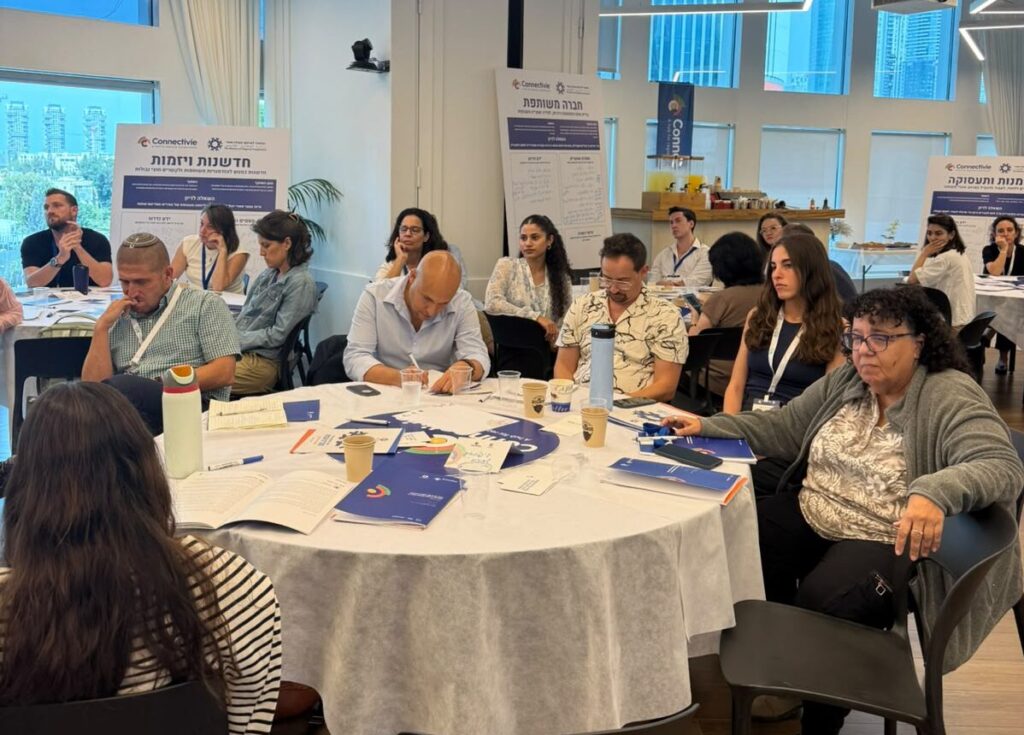
On October 12, approximately two weeks before Israel’s elections, government representatives, youth movements, and civil society organizations will gather in Tel Aviv as part of the Connectivi initiative, led by Eyal Eliezer, Deputy Director-General of Israel’s Ministry of Regional Cooperation and Head of the Senior Division for Foreign Relations and Strategic Partnerships, in cooperation with the Council of Youth Movements in Israel. The meeting will feature a presentation drawing on the study and six working roundtables on youth diplomacy, women’s leadership, innovation and entrepreneurship, education and employment, climate and sustainability, and shared society.
The aim is not to hold another conference where young people listen to adults talking about their future. It is to bring policymakers and those already working on the ground to the same table, identify opportunities for collaboration, and develop practical next steps. This model should become a permanent part of Israel’s regional policy rather than a one-off experience.
The Israeli government formed after the elections will have to confront security threats and a complex diplomatic reality, but it must also decide how to deepen the ties established over the past six years. This requires involving youth organizations in regional processes, investing in long-term frameworks, and connecting Israel’s foreign policy with education, employment, innovation, and sustainability.
Nearly 600,000 young Israelis will soon vote for the first time. They need more than promises that someone will safeguard their future; they also need an opportunity to help shape it. The elections will determine who leads Israel in the coming years, but the character of the region twenty years from now will also be shaped by the young people living in it today. If we give them a meaningful role in the processes shaping the region, they can help build a future grounded not only in relations between governments, but also in connections and cooperation between the societies that live here.
Tom Vizel is the founder and director of WeAreMENA, a regional network of youth organizations operating within the Israeli youth movement NOAL.
כמעט 600 אלף צעירים יצביעו לראשונה. איזה עתיד אזורי אנחנו מציעים להם?
תום ויזל
ב־27 באוקטובר יצאו אזרחי ישראל לבחור את הממשלה הבאה, ובהם כמעט 600 אלף צעירים וצעירות שיצביעו לראשונה. זהו דור שהתבגר אל תוך רצף של מערכות בחירות, מגפה עולמית, משבר חברתי עמוק, טבח השבעה באוקטובר ושנים של מלחמה. הוא מכיר היטב את המחיר של כישלון מדיני ושל חוסר יציבות אזורית. השאלה היא איזה עתיד אזורי אנחנו מציעים לו, והאם ניתן לו מקום אמיתי בעיצובו.
מערכת הבחירות תעסוק, בצדק, בביטחון, בכלכלה, באחריות לאירועי השבעה באוקטובר וביחסיה של ישראל עם העולם. אך היא צריכה להציע לדור הצעיר יותר מוויכוח על מי ינהל את המשבר הבא.
השבוע ציינו שש שנים לחתימת הסכמי אברהם, ששינו את מפת היחסים במזרח התיכון ופתחו אפשרויות חדשות לשיתוף פעולה בין ישראל למדינות האזור. ההסכמים שרדו את אחת התקופות הקשות ביותר שידע האזור. היחסים עם איחוד האמירויות ובחריין נשמרו, ובימים האחרונים אף סיכמו ישראל ומרוקו על העלאת דרג היחסים, פתיחת שגרירויות, מינוי שגרירים והרחבת שיתופי הפעולה בתחומי הכלכלה, התיירות, הטכנולוגיה, החקלאות, המים והאנרגיה.
זוהי התפתחות חשובה לאחר שנות מלחמה, קיטוב וחוסר אמון. היא מוכיחה כי גם כאשר המציאות האזורית נראית חסרת מוצא, ניתן לשמור על ערוצי קשר ואף להרחיב אותם. אולם שש שנים לאחר חתימת ההסכמים, ברור כי יחסים בין ממשלות אינם מספיקים. הסכמים מדיניים יכולים לפתוח דלתות, אך כדי שיישארו פתוחות לאורך זמן נדרשים גם קשרים בין צעירים, אנשי חינוך, ארגונים אזרחיים וקהילות.
בעבודתי ברשת WeAreMENA, הפועלת במסגרת תנועת הנוער העובד והלומד, אני פוגש מציאות אזורית מורכבת יותר מזו שמופיעה בכותרות. התנועה, שבה חברים יהודים, ערבים ודרוזים, מלמדת כי צעירים מקהילות שונות יכולים לפעול יחד לאורך זמן, גם כשהמציאות סביבם מתוחה וקשה.
מחקר אזורי חדש של WeAreMENA, שמיפה 125 ארגונים ויוזמות ב־26 מדינות, מצביע על הפוטנציאל העצום של הדור הזה. במזרח התיכון ובצפון אפריקה חיים כ־165 מיליון צעירים וצעירות בגילי 15 עד 29. רבים מהם מתמודדים עם אבטלה, פערי מיומנויות, קושי להגיע לעצמאות כלכלית ותחושה שמוסדות פוליטיים אינם מקשיבים להם. אך זהו גם דור מחובר, יזמי וגמיש, שיודע ליצור רשתות מקצועיות ואזרחיות החוצות גבולות.
אחד הממצאים החשובים של המחקר הוא שצעירים וארגוני צעירים אינם מחכים לפתרון כל המחלוקות המדיניות. הם בוחרים לפעול יחד סביב בעיות מעשיות: חינוך ותעסוקה, חדשנות, מים, אקלים, יזמות וטכנולוגיה. העבודה המשותפת אינה מעלימה את חילוקי הדעות, אך מאפשרת לבנות אמון דרך עשייה, היכרות ואחריות משותפת.
משבר האקלים ממחיש זאת היטב. בצורת, מחסור במים, ביטחון תזונתי וזיהום אינם נעצרים במעברי הגבול. גם אתגרי התעסוקה, החינוך והטכנולוגיה משותפים לצעירים בישראל, במרוקו, באיחוד האמירויות, בירדן ובמדינות נוספות באזור. שיתוף פעולה בתחומים הללו אינו מחווה סמלית, אלא משרת אינטרסים ממשיים של המדינות והחברות המשתתפות בו.
ב־12 באוקטובר, כשבועיים לפני הבחירות, יתכנסו בתל אביב נציגי ממשלה, תנועות נוער וארגוני חברה אזרחית במסגרת יוזמת קונקטיבי, המובלת ע”י אייל אליעזר, סמנכ”ל המשרד לשיתוף פעולה אזורי ומנהל אגף בכיר קשרי חוץ ושותפויות אסטרטגיות ובשיתוף מועצת תנועות הנוער. במפגש יוצג עיבוד של המחקר ויתקיימו שישה שולחנות עבודה בנושאי דיפלומטיית צעירים, מנהיגות נשים, חדשנות ויזמות, חינוך ותעסוקה, אקלים וקיימות וחברה משותפת.
המטרה אינה לקיים עוד כנס שבו צעירים מקשיבים למבוגרים המדברים על עתידם, אלא להושיב סביב שולחן אחד את מי שמעצבים מדיניות ואת מי שכבר פועלים בשטח, לזהות חיבורים ולגבש צעדים מעשיים להמשך. מודל כזה צריך להפוך מחוויה חד־פעמית לחלק קבוע ממדיניותה האזורית של ישראל.
הממשלה שתקום לאחר הבחירות תידרש להתמודד עם איומים ביטחוניים ומציאות מדינית מורכבת, אך עליה גם להחליט כיצד להעמיק את הקשרים שנוצרו בשש השנים האחרונות. לשם כך יש לשלב ארגוני צעירים בתהליכים אזוריים, להשקיע במסגרות ארוכות טווח ולחבר בין מדיניות החוץ של ישראל לבין חינוך, תעסוקה, חדשנות וקיימות.
כמעט 600 אלף צעירים יצביעו בקרוב לראשונה. הם אינם צריכים רק הבטחות לכך שמישהו ישמור על עתידם, אלא גם הזדמנות להשתתף בעיצובו. הבחירות יקבעו מי יוביל את ישראל בשנים הקרובות, אך דמותו של האזור בעוד עשרים שנה תיקבע גם בידי הצעירים שחיים בו היום. אם ניתן להם מקום אמיתי בתהליכים שמעצבים את האזור, הם יוכלו לקחת חלק בבניית עתיד המבוסס לא רק על יחסים בין ממשלות, אלא גם על קשרים ושיתופי פעולה בין החברות שחיות בו.
תום ויזל הוא מייסד ומנהל רשת ארגוני הצעירים WeAreMENA, הפועלת במסגרת תנועת הנוער העובד והלומד.